The Panama Canal remains the preferred route for vessels trading between the Atlantic and Pacific Oceans. However, recurring drought conditions associated with the El Niño phenomenon have repeatedly reduced water availability in the Canal's watershed, forcing the Panama Canal Authority (ACP) to introduce operational restrictions to the locks’ transit capacity. These developments highlight the continuing vulnerability of global supply chains to climate-related disruptions.

Published 01 September 2026
Draft restrictions and reduction in number of daily transits
Despite the arrival of the rainy season in Panama and the water-saving measures implemented by the ACP, lower-than-expected rainfall in the Canal watershed continues to affect water levels and transit capacity. As a result, the ACP has introduced additional restrictions, including draft limitations, a reduction in the number of daily transits, and adjustments to the availability of auction slots.
The ACP has noted that weather conditions are evolving more rapidly than anticipated and has indicated that it will provide advance notice of any further operational adjustments where possible.
Commercial impact
For shipowners and operators, Panama Canal restrictions can have commercial consequences. Draft limitations may require vessels to sail with reduced cargo intake, directly affecting voyage economics. At the same time, transit restrictions and congestion can create delays, disrupt schedules, and increase overall transportation costs.
During previous periods of severe restrictions, some operators faced lengthy waiting times without a secured reservation and began evaluating alternative routes around South America rather than transiting the Canal. While these routes may avoid canal delays, they introduce a different set of navigational, operational, and weather-related risks that must be carefully assessed before any routing decision is made. We are seeing owners considering the southern route today.
The Southern alternatives: Drake Passage and Strait of Magellan
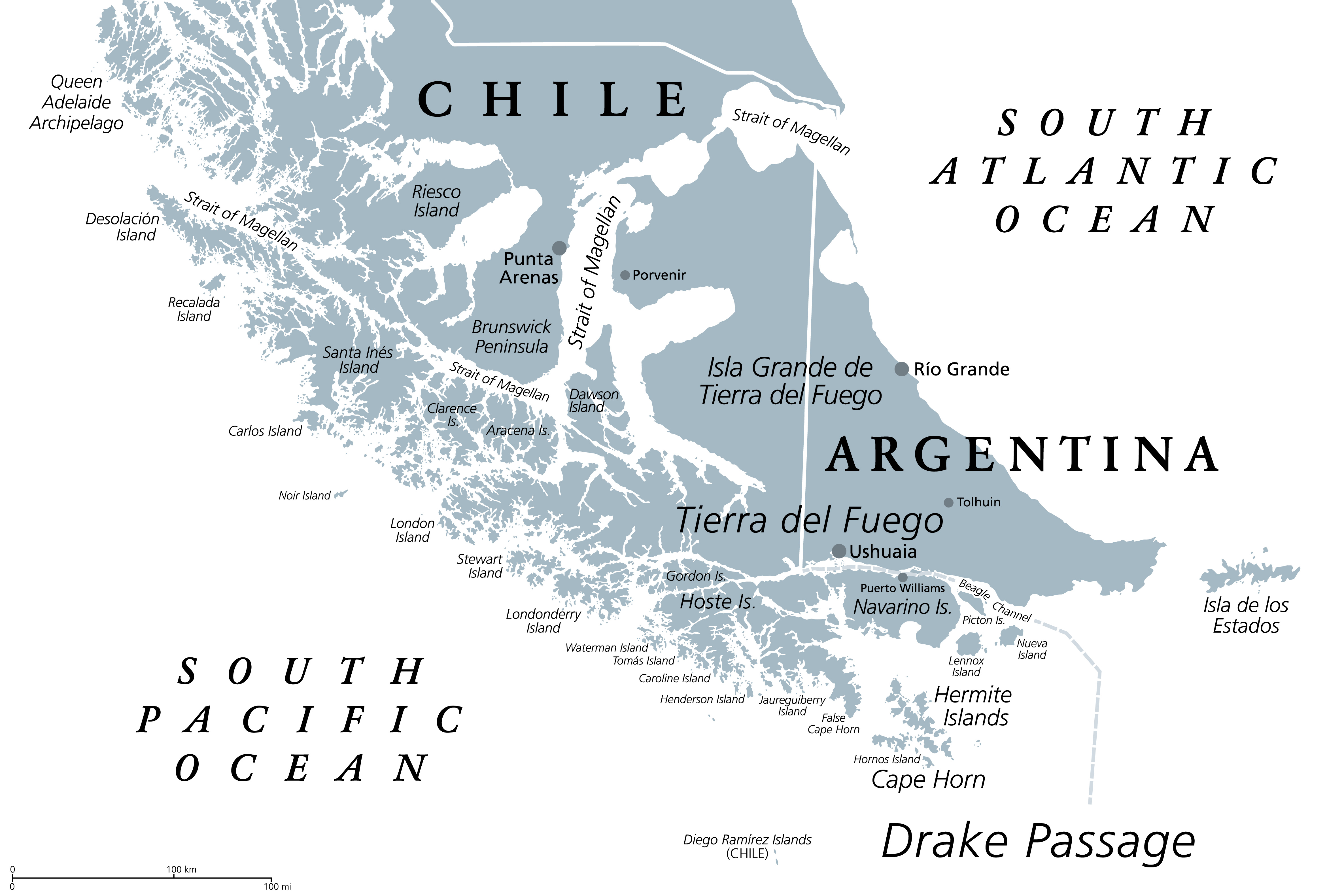
For vessels seeking to avoid Panama Canal restrictions, the principal alternatives are the Drake Passage and the Strait of Magellan, both located at the southern tip of South America.
The Drake Passage, situated between Cape Horn and Antarctica, exposes vessels to harsh weather. As a result, operators may face excessive vessel motions, slamming, cargo shift, heavy-weather damage, green seas on deck, and machinery challenges associated with prolonged heavy-weather operations.
The Strait of Magellan offers a relatively more sheltered route by avoiding much of this open-ocean exposure, but at the cost of increased navigational complexity. Transits involve narrow channels, strong currents, restricted waters, pilotage requirements, and greater reliance on local navigational expertise.
Balancing safety, pilotage, and commercial and legal considerations
Routing decisions around Cape Horn can sometimes give rise to competing commercial and safety considerations. While the Drake Passage offers the most direct route between the Atlantic and Pacific Oceans, adverse weather forecasts may prompt Masters to favour the more sheltered and shorter Strait of Magellan. However, such decisions are not always straightforward, as the Strait introduces additional navigational challenges and potential pilotage costs.
A further consideration is that pilotage requirements within the Strait of Magellan vary depending on the section of the voyage. For vessels undertaking an ocean-to-ocean transit, pilotage is not required in the section between Punta Arenas and Felix Lighthouse, provided the vessel is not calling at Chilean ports or navigating internal waters. If a Master elects to retain pilots beyond Punta Arenas for safety reasons, additional costs are likely to be incurred.
Claims experience:
Most disputes handled by Gard have been between owners and charterers concerning pilotage costs incurred between Punta Arenas and Felix Lighthouse, where pilotage was not compulsory but was retained for safety reasons.
In some cases, Masters have preferred routing via the Strait of Magellan because of concerns about forecast weather conditions in the Drake Passage and the safety of the vessel, cargo and crew. Charterers, on the other hand, have been reluctant to agree to the alternative route because of the additional pilotage expenses involved.
There have also been cases where Chilean authorities have imposed compulsory pilotage for the vessel's transit through the Strait due to technical deficiencies, such as ECDIS failures or main engine problems. In certain instances, tug escorts have also been required.
Legal considerations:
While charterers may request that a vessel follow a particular route, the Master retains ultimate responsibility for the safety of the vessel, crew, and cargo. If the Master considers the nominated route unsafe due to factors such as severe weather, they are entitled to take a reasonable alternative route to safeguard the vessel and those on board. Accordingly, where conditions in the Drake Passage are assessed as unsafe, the Master may decide to transit via the Strait of Magellan instead. In such circumstances, owners should ensure that the basis for the decision is well documented and supported by evidence, such as weather forecasts, routing advice, and voyage records.
Where owners or operators elect to use the Strait of Magellan, careful consideration should also be given to the allocation of pilotage costs under the charterparty. As noted above, pilotage is not compulsory for the section between Punta Arenas and Felix Lighthouse. Consequently, if the charterparty provides that charterers are responsible only for compulsory pilotage costs, pilotage expenses incurred within this non-compulsory section may fall to the owners. Parties should therefore review the relevant charterparty provisions carefully and, where possible, discuss the matter in advance to avoid disputes over the cost of any non-compulsory pilotage services.
Gard has also come across charterparties containing specific clauses dealing with transits via the Strait of Magellan and the Drake Passage. Owners and charterers may wish to consider incorporating such clauses, where appropriate, to provide greater clarity regarding routing decisions, pilotage costs, and the allocation of risks associated with alternative southern routes.
Technical and operational considerations
Operators should also consider the technical challenges associated with southern routes. Claims experience has shown that vessels transiting these waters during winter may encounter bunker-related problems, where vessel designs are not well suited to prolonged operations in colder climates.
Limitations in fuel heating arrangements can create operational difficulties, especially for vessels not originally intended for service in such conditions. Owners should therefore ensure that bunker management procedures, machinery limitations, and cold weather practices are carefully reviewed before undertaking such voyages.
Another consideration is that vessels seeking shelter from severe weather in the Pacific along the Southern Chilean coast may enter confined waterways and channels. While this may reduce exposure to heavy weather, navigation becomes considerably more demanding. Restricted waters, close proximity to hazards, and limited manoeuvring room increase the potential consequences of navigational error. In the event of a grounding or major casualty, suitable salvage assistance for larger vessels may not be immediately available.
Conclusion
Owners and managers should maintain close contact with their local agents to obtain the latest information, as operational restrictions may be amended in response to changing weather and watershed conditions.
While alternative routes around South America can help operators avoid congestion and transit limitations, they introduce a different set of navigational, operational, commercial, and weather-related risks that must be carefully managed.
The decision to transit the Panama Canal, the Drake Passage, or the Strait of Magellan should therefore be based on a comprehensive assessment of:
weather conditions,
vessel characteristics,
cargo considerations,
crew experience,
technical limitations,
pilotage requirements,
and contractual obligations.
Careful voyage planning and a balanced consideration of both safety and commercial factors remain essential.
Reference:
Provisions, regulations and general information on pilotage in Chile (The Directorate General of Maritime Territory and Merchant Marine, Chilean Navy)
Related Articles


Gard is a member of