Vessels above 24 meters in length that enter Brazilian waters are required to arrive with a ‘clean hull’ or perform in-water hull cleaning. Similar restrictions apply to vessels operating between domestic marine biogeographic regions. The enforcement date for the associated sanctions has been deferred to 10 June 2026.
Updated 27 January 2026
Published 10 July 2025
Protecting Brazil’s marine and coastal biodiversity
In June 2025, the Brazilian authorities amended NORMAM-401/DPC, its regulations for preventing vessel discharges to water, adding a separate section on biofouling management. The new regulation aims to ensure the safety and sustainability of Brazil’s maritime ecosystems and human activities by further reducing the likelihood of vessels introducing invasive aquatic species into its waters.
To protect the various unique and important ecosystems along Brazil's long coastline, the new regulation also defines three domestic marine biogeographic regions (see image below) and imposes additional biofouling requirements on vessels that travel between them.
Arriving in Brazil with a clean hull
According to our local correspondent Representações Proinde Ltda., Brazil’s new biofouling management regulation aligns with the IMO 2023 Biofouling Guidelines (MEPC.378(80)). It applies to vessels above 24 meters in length and affects both vessels entering Brazilian waters and vessels that transit between the domestic biogeographic regions, requiring such vessels to:
Implement a vessel-specific Biofouling Management Plan and Biofouling Record Book compliant with the IMO guidelines.
Maintain a clean hull – where ‘clean’ means no biofouling apart from a slime layer (microfouling) and a very small amount of visible fouling species (macrofouling). This corresponds to a fouling rating number of 1 or lower as defined by Annex J of the regulation.
Schedule a hull cleaning if there is excessive fouling. In-water hull cleaning in port must be requested at least 10 days prior to arrival, using the application form found in Annex K of the regulation.
Key terminology
Biofouling is the accumulation of aquatic organisms such as microorganisms, including pathogens, plants and animals on surfaces and structures immersed in or exposed to the aquatic environment.
Fouling rating is the allocation of a number for a defined inspection area of the ship surface based on a visual assessment, including description of biofouling present and percentage of macrofouling coverage.
In-water cleaning is the removal of biofouling from a ship's hull and niche areas while in the water.
Invasive aquatic species are non-native species to a particular ecosystem which may pose threats to human, animal and plant life, economic and cultural activities and the aquatic environment.
Microfouling is biofouling caused by bacteria, fungi, microalgae, protozoans and other microscopic organisms that creates a biofilm also called a slime layer.
Macrofouling is biofouling caused by the attachment and subsequent growth of visible plants and animals on structures and ships exposed to water. Macrofouling is large, distinct multicellular individual or colonial organisms visible to the human eye such as barnacles, tubeworms, mussels, fronds/filaments of algae, bryozoans, sea squirts and other large attached, encrusting or mobile organisms.
While the operational requirements of the new Brazilian biofouling management regulation, took effect on 17 June 2025, enforcement of the penalty phase of the regulation, as set out in Chapter 4 of NORMAM-401/DPC, has been deferred and is now scheduled to commence on 10 June 2026. According to our correspondent, the Brazilian maritime authority will, until that date, act in an advisory capacity, focusing on awareness raising and the provision of technical support to assist stakeholders in adapting to the operational requirements introduced by the new regulation.
Vessels trading to or within Brazilian waters are advised to take note of the above regulatory changes and update onboard procedures accordingly, taking advice from relevant IMO guidelines on biofouling management (MEPC.378(80)) and in-water cleaning (MEPC.1/Circ.918). It is also worth noting that Brazil defines its “jurisdictional waters” as its internal waters, the territorial sea and exclusive economic zone (EEZ), to a distance of 200 nautical miles from baselines along the coast, as well as waters overlying the extended continental shelf.
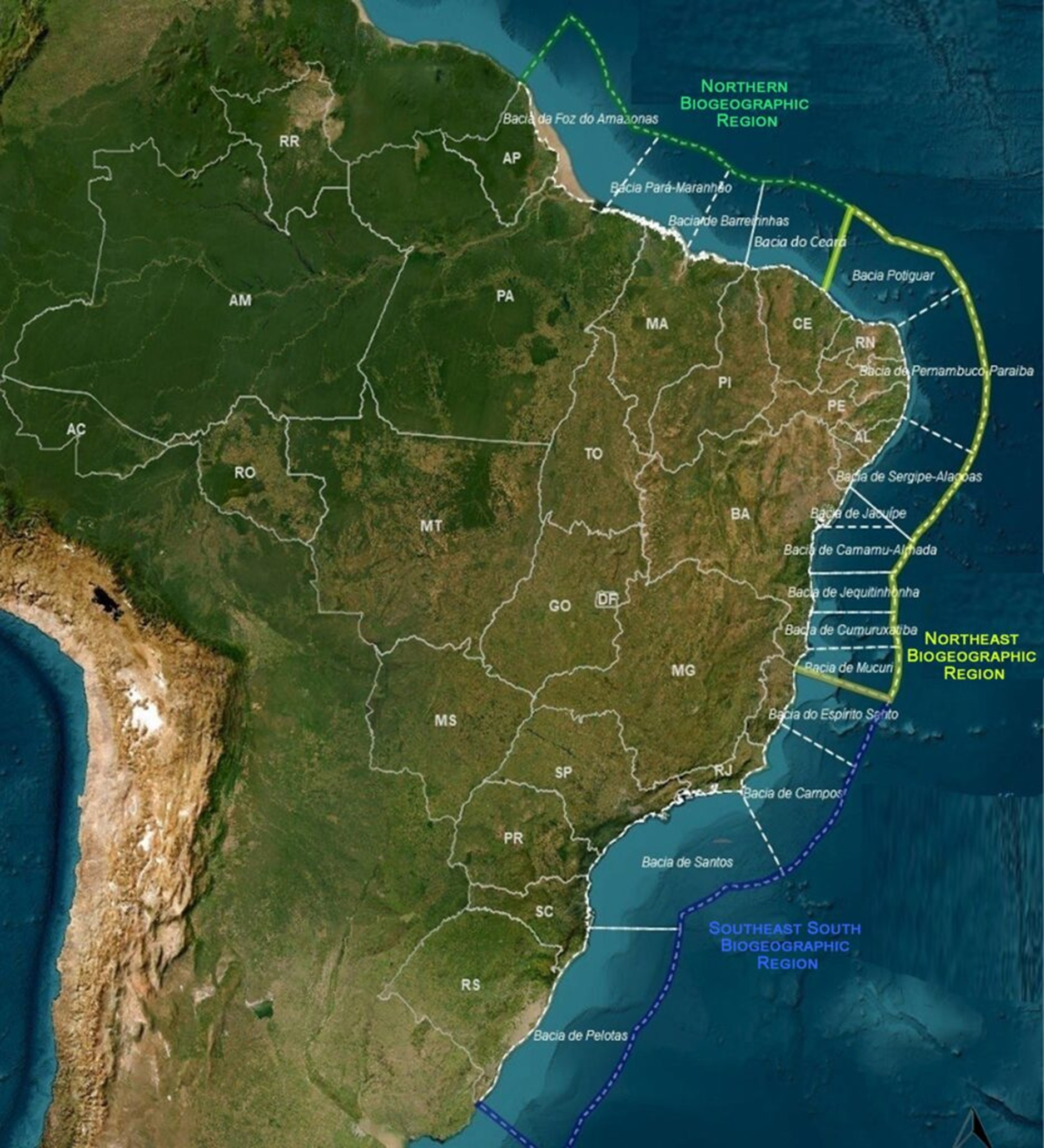
We are grateful to our Brazilian correspondent, Representações Proinde Ltda., for informing us of the aforementioned regulatory changes and refer to its website for further details.
Biofouling management outlook
The IMO has now agreed to deveop a legally binding framework for the control and management of ships' biofouling to minimize the transfer of invasive aquatic species, a “biofouling management convention”. The work on such a convention will commence in 2026, and a draft legal framework and recommendations on the way forward not finalised until 2029. Ratification to the agreed level will then be required for entry-into-force.
An international convention will provide a unified framework for addressing biofouling management globally and help avoid the patchwork of national regulations that can be impractical for the industry. It will also help ships gain access to in-water cleaning in more places than today. Meanwhile, the following Gard articles may be of interest:
Related Articles


Gard is a member of