Overspeed can occur within seconds, perhaps from a simple setup error or a seemingly minor mechanical fault. The result can be severe engine damage, costly repairs and weeks out of service. Here are some of the key steps to reduce the risk.
Written by

Published 16 September 2026
Auxiliary engine overspeed events can also result in significant financial consequences. The direct repair costs in the cases reviewed below averaged approximately USD 250,000, with expenses arising from a combination of repairs, spare parts, specialist labour and other supporting services. On top of that comes the economic loss from the downtime, which may exceed the repair costs themselves. In the cases reviewed, repair periods ranged from 22 to 90 days, largely driven by the extent of damage, spare-part availability and warranty arrangements. Such delays can have a considerable impact on vessel operations and commercial schedules.
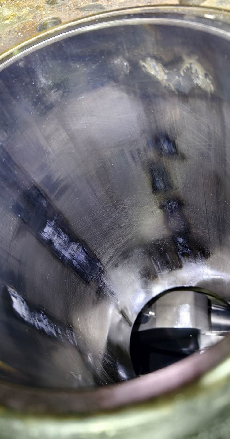
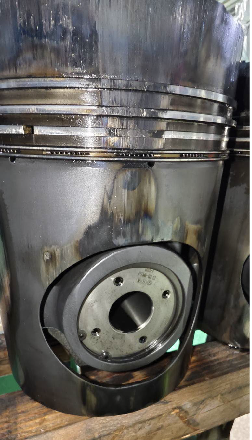
Above: Severe scuffing and fretting on cylinder and piston after a overspeed event.
Key lessons from claims
Mechanical stop transmission is a weak link
In two cases, shutdown signals and overspeed alarms were activated, but faults in the mechanical linkage prevented the fuel rack from moving to zero. The engines continued to run until the crews stopped the fuel supply manually.
Both incidents caused extensive engine damage, including damaged bearings, valve gear and crankshaft components. Regular torque checks of clamps, inspections of pins and flexible links, and blue paste contact testing could have prevented the failures.
Always verify before start-up
In another case, a new actuator was installed with the wrong rotation setting. Neither the service engineers nor the crew verified the rotation direction and safety functions before starting the engine. This caused immediate overspeed and major damage.
The initial theory was a stuck index arm, but testing and dismantling of the governor found no defect. The service provider later accepted that the incorrect actuator setting was the cause.
Maintenance is critical
In one case, extensive damage occurred where the resilient gearwheel connected to the flywheel and tuning wheel. Repairs included reaming damaged bolt holes, manufacturing oversized fitted bolts onboard and realigning the generator.
The investigation found that damaged speed pickups had come into contact with the flywheel, causing the engine to lose its speed signal. As a result, the overspeed protection system could not initiate shutdown. The emergency stop valve also failed because deteriorated O-rings had immobilised its internal components. This prevented the control air from moving the fuel rack to the zero-fuel position.
In a final case, the crew discovered severe roto-cap damage only months after an overhaul. All cylinder units, rods and pistons had to be replaced during a 22-day repair period.
The key lesson is to confirm that piston crowns, governors, actuators and linkage kits are compatible with the specific engine model before installation. It is also important to test the complete safety system before returning the engine to service.
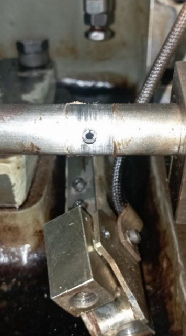
Sheard locking pin on fuel linkage allowing the linkage arm to rotate freely instead of forcing the plunger to zero.
How to reduce risk and costs
On the engine: After any control, fuel, governor, or actuator work, run a local emergency stop function test. Apply air to the stop cylinder and visually confirm the fuel rack goes to zero on every pump.
If service have been performed: make verification of the parts serviced a checklist item before start. These single actions will likely uncover when stop signals are present, but mechanics fail and if settings are wrong from the outset.
Linkage integrity: weekly visual checks and monthly torque/contact verifications are recommended. Pair this with monthly tests where it is observed the rack is drawn to zero.
Documentation and parts governance: Maintain detailed logs (torque values, blue‑paste photos, rotation alignment images, overspeed test sheets, hardness/runout results).
Related Articles


Gard is a member of